How to Stop Rebuilding the Same Button Twice
Mismatched dropdowns and inconsistent brand colors aren't design failures. They're what happens when a product scales without a design system.
Practical advice from the engineers who build and ship software every day. Real lessons on AI, cloud costs, security, design and getting apps safely into production.
Insights and how-to guides from the people building at JRC Software
Mismatched dropdowns and inconsistent brand colors aren't design failures. They're what happens when a product scales without a design system.
Accessibility widens your market and removes friction for everyone. What WCAG 2.2 adds, what Australian law expects, and a starter checklist.
Flutter or React Native? A practical comparison for Australian businesses on architecture, team fit, existing apps and upgrade cost, with a checklist for your next planning meeting.
Why apps fall over at peak traffic, a one-page load test plan for a launch or sales event, and how k6 and JMeter compare.
Indicative AUD build ranges by complexity, the drivers that move them, and the costs Australian businesses leave out: store fees, backend, testing and yearly upkeep.
Pay a ransom and, if you're in scope, you have 72 hours to report it. What to prepare now so the report isn't an afterthought in the middle of a crisis.
A discovery workshop catches the most expensive mistakes in software development early, while they still cost a conversation instead of a rebuild.
AI assistants write code faster than teams can review it. The test coverage, review rules and security checks your QA process needs to keep up.
A design system pays off once inconsistent UI starts slowing releases. How to tell when you need one, and how to start with tokens and five components.
How a lean engineering team can use observability, service level objectives and a few incident habits to cut outages without running a 24/7 on-call rota.
A four-step governance starter covering ownership, lineage, access and quality, built to support Privacy Act obligations and AI without a committee.
A decision tree for CTOs and product managers adding AI to a product that already exists, with the cost, risk and data questions to answer at each branch.
From 10 December 2026, privacy policies must explain how software makes or shapes significant decisions about people. What is in scope, and how engineering can build the inventory.
Users drop AI features they can't predict or correct. The patterns we use for expectation setting, correction and handoff to a human.
Cloud migration is one of the few technology initiatives that changes what a business can actually do, not just what it says on a slide deck.
The famous "100x" bug-cost chart has a shaky source. What the evidence does support, and the checks that catch defects at the cheapest point.
Users decide fast whether your app is worth keeping. Five onboarding fixes, each with a before and after pattern, that cut first-session friction.
Coding agents produce changes faster than most pipelines can check them. The identity, merge, testing and rollback controls to put in place first.
No dedicated FinOps role? Start with tagging, add monthly showback, then build accountability. A practical sequence for mid-sized Australian teams.
Most of your code is someone else's. Practical controls for SBOMs, dependency scanning, build integrity and packages invented by AI coding tools.
AI pilots usually stall because nobody defined value, owned the outcome or checked the data. A pre-build checklist that gives the next one a path to production.
A four-condition rule for test automation: what to automate first, what to leave manual, and how to keep the suite fast enough that people trust it.
Speed matters in MVP development. Deciding which version you actually need matters more. How we build first versions that launch quickly and hold up afterwards.
Pick one or two painful developer journeys, pave them properly, and measure onboarding before and after. A practical, metric-led guide to golden paths.
When splitting a monolith earns its overhead, the warning signs that it won't, and how a modular monolith gets you most of the benefit first.
How AWS and Azure commitment discounts work, where the risk sits for finance and engineering, and a simple rule for how much to commit.
Where streaming pays for itself, what always-on infrastructure really costs, and a four-question test for when batch is enough.
AI agents save real time on narrow, well-bounded work and cause real damage on broad, open-ended work. Three low-risk places to start, and the guardrails each needs.
Most AI-generated apps people want to rebuild don't need it. How to tell when targeted fixes are enough, when to refactor, and when a staged rebuild is justified.
How to decide, feature by feature, whether AI in your mobile app should run on the phone, in the cloud or both, weighing latency, privacy, cost, offline use and device coverage.
How platform engineering and DevOps relate, the signs a growing team has outgrown team-by-team DevOps, and how to decide what to build first.
QA automation isn't a phase that happens after development. At JRC Software, it's part of how we define engineering excellence.
Rehost, replatform or rebuild? A per-system way to choose, with the cost, risk and timeline trade-offs of each path and a checklist you can run in a workshop.
What a data lake, warehouse and lakehouse actually are, what each asks of your team, and a simple table to help you choose.
Good UX isn't about making software look polished. It's about making products understandable, efficient, accessible, and useful in the context where people actually use them.
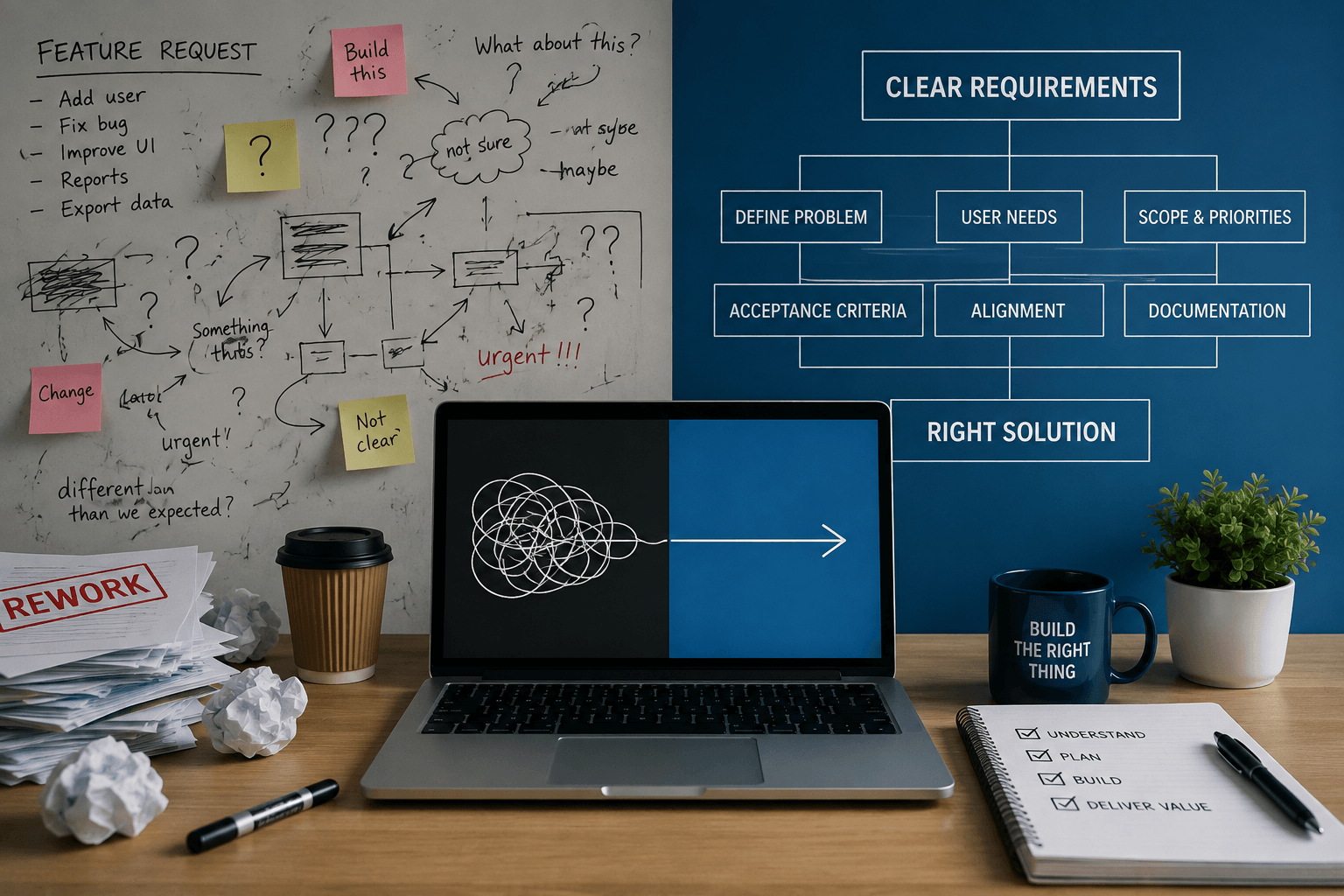
Most software problems aren't caused by bad code. They're caused by bad specs, or no spec at all. Here's how spec-driven development prevents that.
Ten quick wins that cut AWS and Azure bills within a month, from idle resources and right-sizing to storage tiers, scheduling and safe commitments.
Duplicate webhooks, emails in spam, 429 errors and swallowed exceptions. Why AI-built apps pass the demo and fail at launch, and how to find the gaps first.
Plan for failure instead of hoping to avoid it: recovery targets, backups, failover across Australian regions, and how to prove recovery actually works.
An 18-point pre-release checklist built on OWASP MASVS and the Mobile Top 10: storage, network, authentication, APIs, supply chain and privacy.
The Essential Eight was written for enterprise IT, but your CI/CD pipeline is where much of it is won or lost. How to turn it into controls engineers can own and evidence.
A half-day agenda for product teams to find design-level security risks with STRIDE and turn them into backlog items before code is written.
Terraform, Bicep or CloudFormation? How they differ on state, drift, skills, multi-cloud and licensing, and which one fits your cloud footprint.
QA automation isn't about the most tests. It's about the right ones, built into how software gets delivered, not bolted on at the end.
Modernisation doesn't always mean replacing everything. Here's how we improve what needs to change while protecting what the business still depends on.
Seven signs your data will stall an AI project, and the order we fix them in, starting with ownership and ending with monitoring.
Open Supabase tables, secret keys in the JavaScript bundle and admin checks that only exist in the UI. How attackers find them, and the order we fix them in.
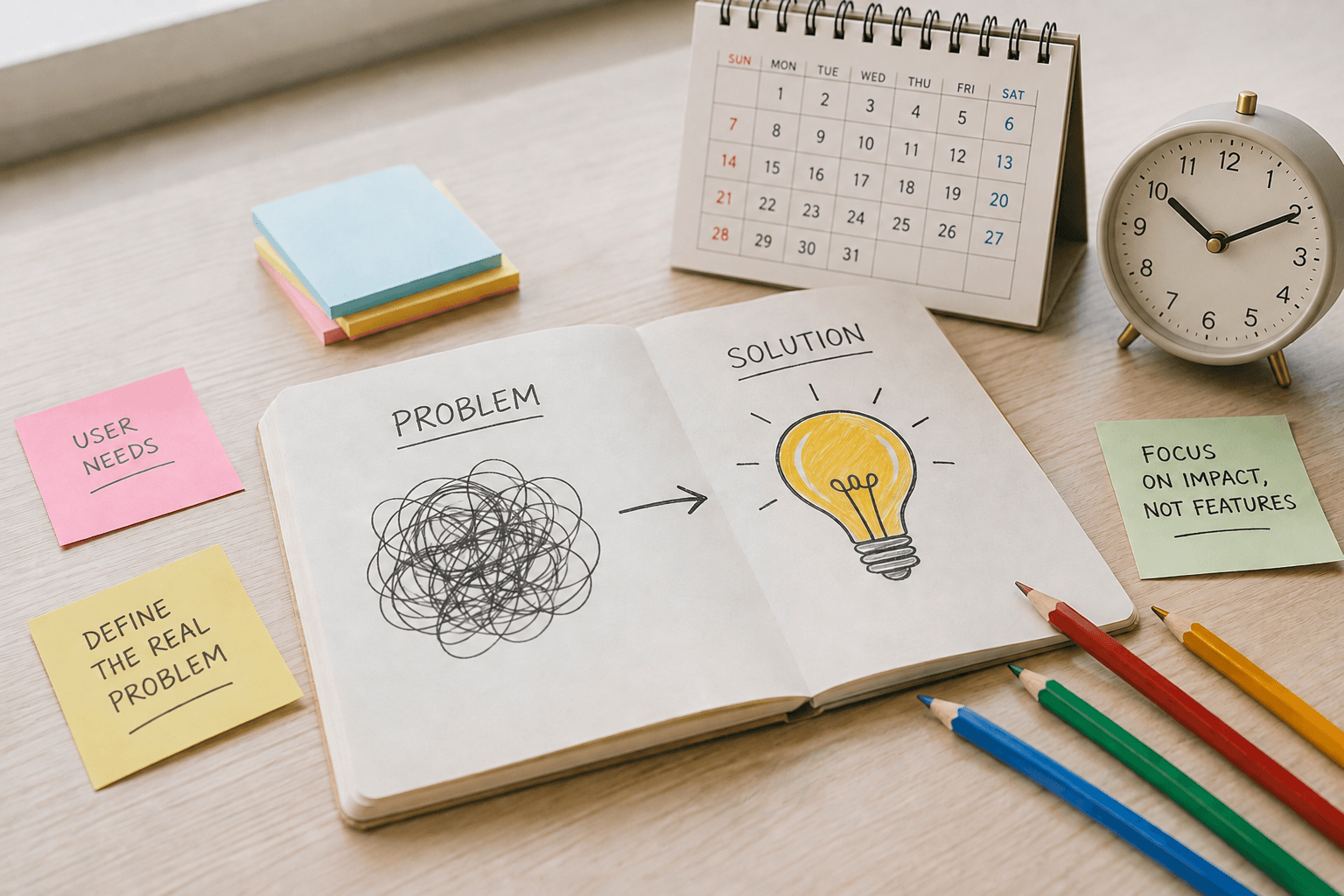
Design thinking is how we close the gap between what people ask for and what they actually need, before a single wireframe gets drawn.
AI bills are hard to attribute and harder to forecast. How to allocate token, GPU and LLM spend to teams, features and customers before it outruns the budget.
AI features are easy to demo and hard to deploy. Here's the process we follow, from the first conversation to launch and beyond.
The nine fixes we make most often before a Lovable, Bolt or Cursor app takes real customers and real money, with what each one protects.
No articles match that search. Try another topic.